

Benefits of Private Training for Dog Aggression
When your dog shows signs of aggression, it can feel overwhelming. You want to help your furry friend, but you might not know where to start. That’s where private training for dog aggression comes in. I’ve seen firsthand how personalized, one-on-one sessions can make a huge difference. Let’s explore why private training is such a powerful tool for managing and reducing aggressive behavior in dogs.
Why Choose Private Training for Dog Aggression?
Private training offers a unique approach tailored specifically to your dog’s needs. Unlike group classes, private sessions focus entirely on your dog’s behavior, personality, and triggers. This personalized attention allows the trainer to develop a plan that works best for your dog and your lifestyle.
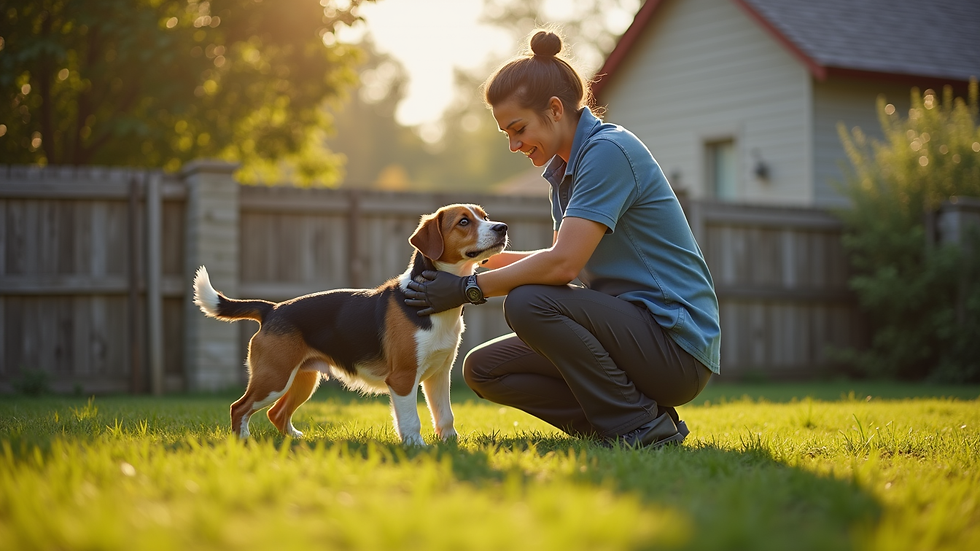
For example, if your dog reacts aggressively to other dogs during walks, a private trainer can work with you in your own neighborhood. This real-world setting helps your dog learn to stay calm in the exact situations that cause problems. You get immediate feedback and guidance, which builds your confidence as a dog owner.
Private training also respects your dog’s pace. Some dogs need gentle, slow progress to feel safe and secure. Others might respond well to more structured exercises. A private trainer can adjust the methods to fit your dog’s temperament, making the process more effective and less stressful.
How Private Training Helps with Aggression
Aggression in dogs can stem from fear, frustration, or even confusion. Private training helps by addressing the root cause of the behavior. Here’s how it works:
Identifying triggers: The trainer observes what sets off your dog’s aggression. It could be certain people, other dogs, or specific environments.
Teaching alternative behaviors: Instead of reacting aggressively, your dog learns to respond calmly. This might include commands like “sit,” “look at me,” or “leave it.”
Building trust: Your dog learns to trust you and the trainer, which reduces anxiety and fear.
Consistent reinforcement: Private sessions provide consistent practice and positive reinforcement, which helps new behaviors stick.
One of the best parts is that you learn alongside your dog. The trainer shows you how to read your dog’s body language and respond in ways that prevent aggression before it starts. This teamwork strengthens your bond and makes daily life more enjoyable.
What to Expect from Private Training Sessions
When you start private training, the first session usually involves a detailed assessment. The trainer will ask about your dog’s history, behavior patterns, and your goals. This helps create a customized plan.
Sessions typically last 45 minutes to an hour. During this time, you’ll work on specific exercises designed to reduce aggression. These might include:
Controlled exposure to triggers at a safe distance
Teaching focus and impulse control
Practicing commands that interrupt aggressive behavior
Building positive associations with previously scary situations
The trainer will also give you homework to practice between sessions. This ongoing work is key to making lasting changes.
Remember, progress might be slow at times, and that’s okay. Every small step forward is a win. Celebrate those moments and keep a positive mindset.

Tips for Supporting Your Dog’s Progress at Home
Private training is just one part of the journey. What you do at home matters a lot. Here are some simple ways to support your dog’s progress:
Stay consistent: Use the same commands and routines the trainer recommends.
Create a calm environment: Avoid stressful situations when possible, especially early on.
Use positive reinforcement: Reward your dog with treats, praise, or play when they show good behavior.
Be patient: Aggression won’t disappear overnight. Give your dog time to learn and adjust.
Keep communication open: Share your observations and questions with your trainer regularly.
By staying involved and committed, you help your dog feel safe and understood. This partnership is the foundation for success.
Why Personalized Training Makes a Difference
Every dog is unique. What works for one might not work for another. That’s why private training is so valuable. It’s not a one-size-fits-all solution. Instead, it’s a personalized approach that respects your dog’s individuality.
If you’re ready to take the next step, consider exploring private dog training for aggression. This kind of focused, compassionate training can transform your relationship with your dog. You’ll gain tools, confidence, and hope for a happier future together.
Remember, you’re not alone on this journey. With the right support, your dog can learn to manage aggression and enjoy a more peaceful life by your side. Let’s make that happen, one step at a time.


Comments