

Effective Training for Aggressive Dogs: Techniques That Work
Training an aggressive dog can feel overwhelming. I know because I’ve been there. But with patience, kindness, and the right approach, you can help your dog become calmer and more confident. It’s all about understanding your dog’s needs and working with them step by step.
Let’s explore some effective training for aggressive dogs that you can start using today. These methods focus on safety, trust, and positive progress.
Understanding Aggression in Dogs
Before diving into training, it’s important to understand why your dog might be showing aggression. Aggression is often a form of communication. Your dog might be scared, in pain, or feeling threatened. Sometimes, it’s about protecting their territory or resources.
Recognizing the cause helps you respond better. For example, if your dog growls when someone approaches their food bowl, it’s a sign they feel vulnerable during mealtime. Knowing this, you can work on building trust around feeding times.
Here are some common reasons for aggression:
Fear or anxiety
Protective instincts
Pain or discomfort
Lack of socialization
Frustration or overstimulation
By identifying the root cause, you can tailor your training to address your dog’s specific needs.
Gentle and Consistent Training for Aggressive Dogs
Use positive reinforcement. Reward good behavior with treats, praise, or playtime. Avoid punishment or harsh corrections, as these can increase fear and aggression.
Here’s a simple training routine to try:
Set clear boundaries - Use a leash or baby gate to control your dog’s environment.
Practice basic commands - Keep sessions short and fun, about 5-10 minutes.
Reward calm behavior - Give treats when your dog stays calm around triggers.
Gradually increase exposure - Slowly introduce your dog to situations that cause aggression, at a distance they can handle.
Stay patient and calm - Your energy affects your dog’s mood.
Remember, progress might be slow, but every small step counts.
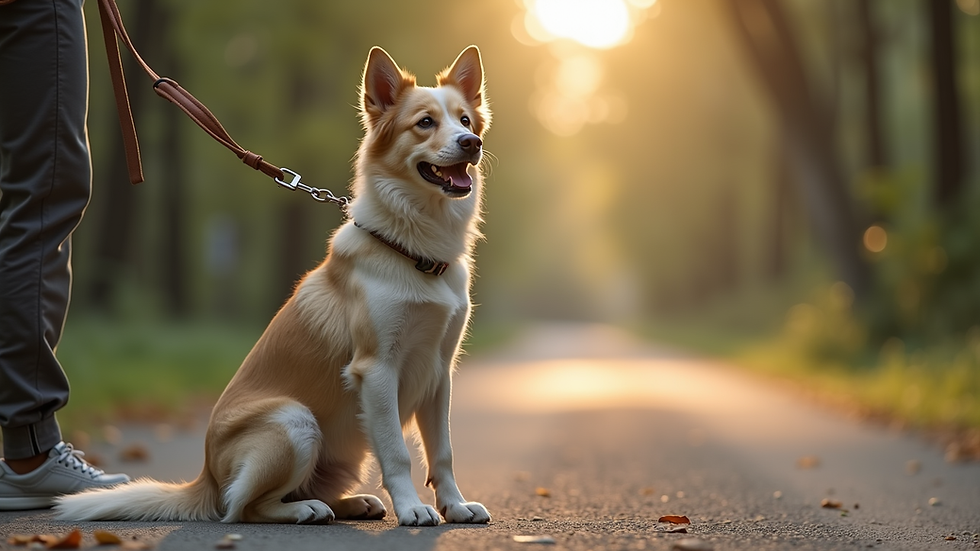
Using Desensitization and Counter-Conditioning
Two powerful tools in training aggressive dogs are desensitization and counter-conditioning. These techniques help change your dog’s emotional response to triggers.
Desensitization means exposing your dog to the trigger at a low intensity. For example, if your dog reacts to other dogs, start by showing them another dog from a distance where they feel safe. Gradually decrease the distance over time.
Counter-conditioning pairs the trigger with something positive. When your dog sees the trigger, immediately give a treat or praise. This helps your dog associate the trigger with good things instead of fear or aggression.
Here’s how to combine these methods:
Identify your dog’s triggers.
Start at a distance where your dog is calm.
Reward calm behavior with treats or toys.
Slowly bring the trigger closer over multiple sessions.
Always end on a positive note.
This approach takes time but can lead to lasting change.
Safety First: Managing Aggression at Home
Safety is the top priority when working with an aggressive dog. You want to protect yourself, your family, and your dog. Here are some practical tips:
Use a sturdy leash and harness during walks.
Avoid situations that trigger aggression until your dog is ready.
Create a safe space at home where your dog can relax.
Teach family members how to interact calmly and respectfully.
Consider professional help if aggression is severe or dangerous.
Sometimes, working with a trainer who specializes in aggressive dog training techniques can make all the difference. They can provide personalized guidance and support.
Building a Strong Bond Through Positive Interaction
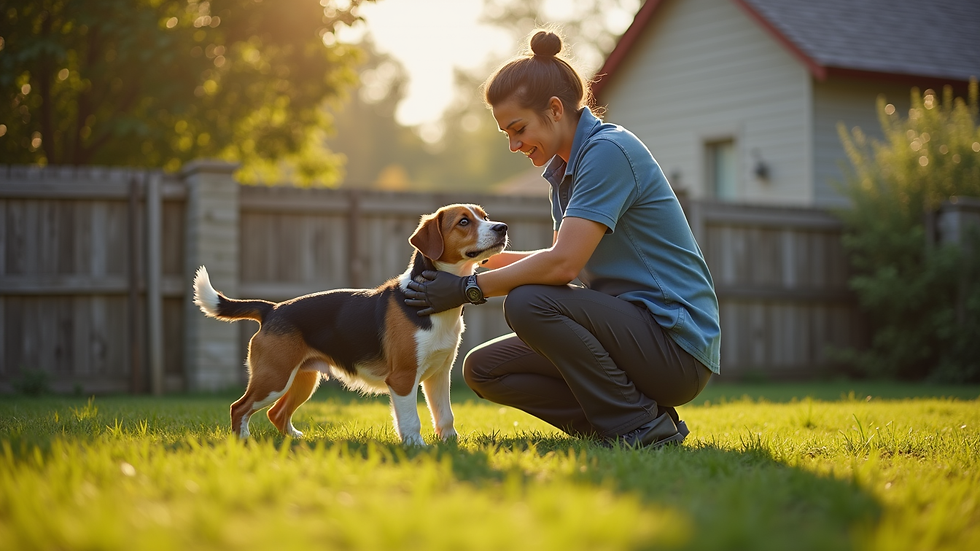
Training isn’t just about correcting behavior. It’s about building a strong, loving bond with your dog. Spend quality time together doing activities your dog enjoys. This could be gentle play, walks in nature, or simple cuddle sessions.
Positive interaction helps your dog feel secure and valued. It also makes training more effective because your dog wants to please you.
Try these ideas to strengthen your bond:
Use treats and praise generously.
Keep training sessions fun and upbeat.
Learn your dog’s body language to understand their feelings.
Be patient and celebrate small victories.
Your dog will respond best when they feel safe and loved.
Moving Forward with Confidence and Care
Training an aggressive dog is a journey. It requires patience, understanding, and a lot of heart. But the rewards are worth it. You’ll see your dog grow calmer, happier, and more connected to you.
If you need help with your dog’s behavior,we’re here to help you!
With consistent effort and kindness, you can create a peaceful home where your dog feels safe and loved. Keep believing in your dog’s potential. Together, you can overcome challenges and enjoy a wonderful life.
Thank you for reading. I hope these tips inspire you to take positive steps with your dog today. Your journey toward a happier, healthier relationship starts now.

Comments