

Managing Dog Aggression Safely: Dog Aggression Management Techniques
Dealing with dog aggression can feel overwhelming. I know how worrying it is when your furry friend shows signs of aggression. But the good news is, with patience and the right approach, you can manage this behavior safely. I want to share some practical dog aggression management techniques that have helped many dog owners create a calmer, happier home.
Understanding Dog Aggression
Before we dive into managing aggression, it’s important to understand what it really means. Aggression in dogs is a natural behavior, often a way to communicate fear, protect territory, or express discomfort. It’s not about your dog being “bad” or “mean.” When you see growling, snapping, or lunging, your dog is trying to tell you something.
For example, a dog might growl when someone reaches for their food bowl or when they feel cornered. Recognizing these triggers is the first step in managing aggression safely. It’s like learning your dog’s language so you can respond with kindness and care.
Dog Aggression Management Techniques
Managing aggression requires a calm, consistent approach. Here are some techniques that can make a real difference:
Identify Triggers: Watch closely to see what causes your dog to react aggressively. It might be other dogs, strangers, or certain noises.
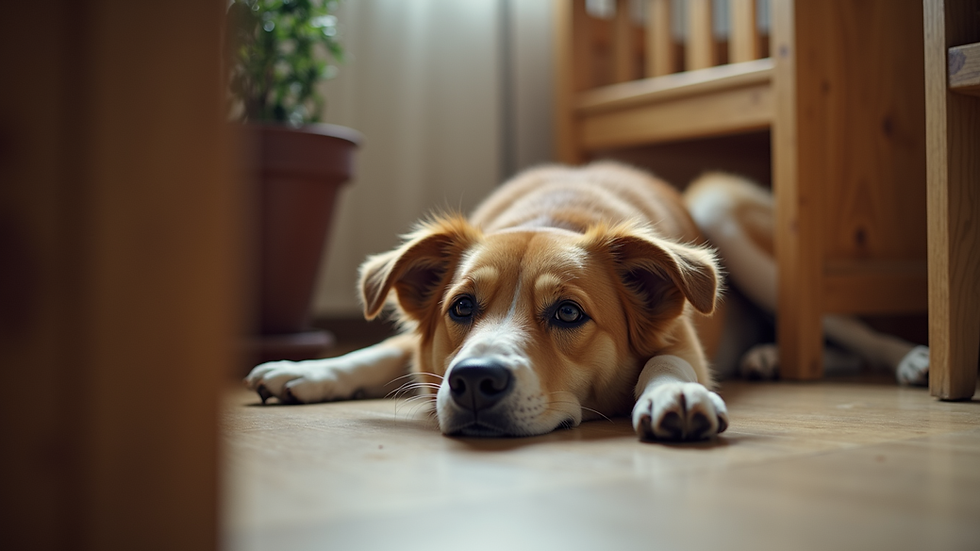
Create a Safe Space: Give your dog a quiet area where they can retreat and feel secure. This helps reduce stress and prevents aggressive outbursts.
Use Positive Reinforcement: Reward calm behavior with treats, praise, or playtime. This encourages your dog to repeat good behavior.
Avoid Punishment: Harsh corrections can increase fear and aggression. Instead, focus on gentle guidance and redirection.
Practice Controlled Socialization: Gradually expose your dog to new people and environments in a controlled way. This builds confidence without overwhelming them.
Tools and Safety Measures to Use at Home
Safety is key when managing aggression. Here are some tools and tips to keep everyone safe:
Leashes and Harnesses: Use a sturdy leash and a well-fitting harness to maintain control during walks.
Muzzles: A properly fitted muzzle can prevent bites while still allowing your dog to breathe and pant comfortably.
Baby Gates: Use gates to separate your dog from visitors or other pets when needed.
Signs and Communication: Let guests know about your dog’s behavior so they can approach carefully or avoid interaction.
Remember, these tools are not punishment but safety aids. They help you manage situations calmly while working on behavior improvement.
Building Trust and Confidence Together
One of the most rewarding parts of managing aggression is seeing your dog grow more confident. Building trust takes time, but it’s worth every moment. Here’s how you can help:
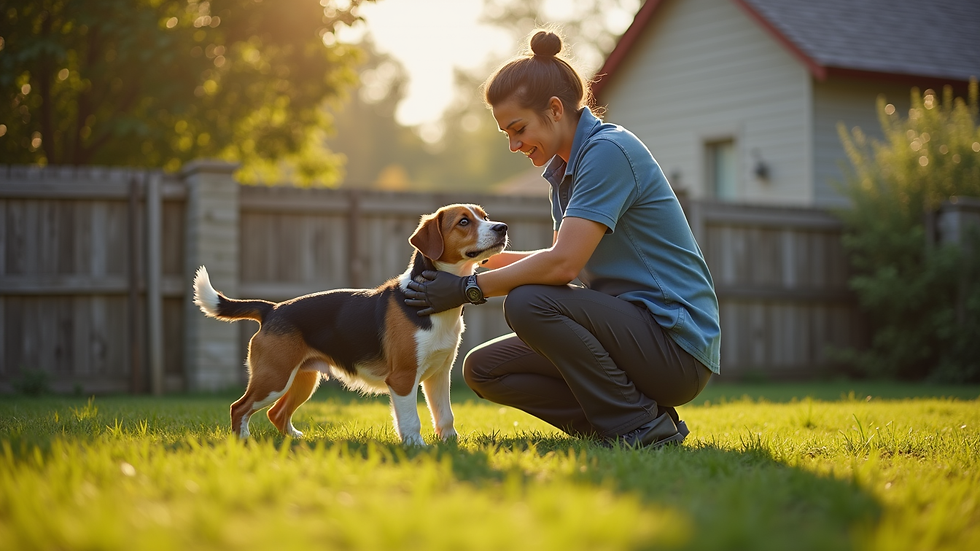
Spend Quality Time: Play, cuddle, and talk to your dog regularly. This strengthens your bond.
Consistent Routine: Dogs thrive on routine. Regular feeding, walks, and training sessions create a sense of security.
Gentle Training Sessions: Keep training short and positive. Celebrate small wins to keep your dog motivated.
Respect Their Limits: If your dog seems stressed, give them space. Pushing too hard can backfire.
Over time, these efforts help your dog feel safe and loved, reducing aggressive tendencies naturally.

When to Seek Professional Help
Sometimes, aggression can be complex and challenging to manage alone. Don’t hesitate to reach out for professional support if:
Aggression is severe or escalating.
Your dog has bitten someone.
You feel unsafe handling your dog.
You want personalized guidance tailored to your dog’s unique needs.
A skilled trainer or behaviorist can assess your dog’s behavior and create a customized plan. They use humane methods that respect your dog’s well-being and help you both succeed.
Remember, seeking help is a sign of strength and care. It shows you’re committed to your dog’s happiness and safety.
Moving Forward with Confidence and Care
Managing dog aggression safely is a journey, not a quick fix. With patience, understanding, and the right techniques, you can help your dog become calmer and more confident. Celebrate every small step forward and know that you’re making a positive difference in your dog’s life.
Keep learning, stay consistent, and don’t be afraid to ask for help when you need it. Your dog trusts you, and together, you can build a loving, peaceful home.
I hope these tips help you feel more prepared and hopeful. Remember, every dog is unique, and with kindness and care, you can manage aggression safely and build a stronger bond with your furry friend.


Comments