

The Value of Private Training Benefits for Dogs: Tackling Aggression with Care
When your dog shows signs of aggression, it can feel overwhelming. You want to help, but you might not know where to start. I’ve been there, and I understand how important it is to find the right approach. That’s why I want to share how private training benefits for dogs can make a real difference, especially when dealing with aggression.
Aggression in dogs isn’t just about biting or growling. It can show up as lunging, snapping, or even stiff body language. These behaviors can be scary, but they often come from fear, confusion, or frustration. The good news? With the right guidance, you and your dog can work through these challenges together.
Why Private Training Benefits for Dogs Are So Important
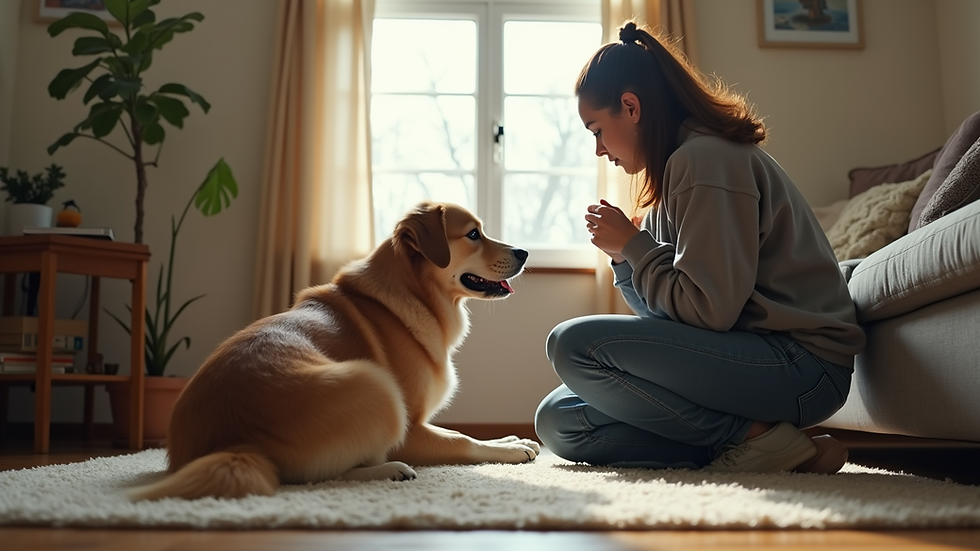
Private training offers a unique chance to focus entirely on your dog’s needs. Unlike group classes, private sessions are tailored just for you and your furry friend. This personalized attention helps trainers understand your dog’s triggers and personality better.
For example, if your dog reacts aggressively to strangers or other dogs, a private trainer can create a step-by-step plan to gently expose your dog to these situations. This controlled environment reduces stress and builds confidence. You’ll learn how to read your dog’s signals and respond calmly, which is key to changing behavior.
Private training also means you get one-on-one coaching. You can ask questions, practice techniques, and get immediate feedback. This hands-on support makes it easier to stay consistent at home, which is crucial for lasting results.
How Private Training Helps with Aggression
Aggression can stem from many causes, like fear, territorial instincts, or past trauma. Private trainers are skilled at identifying these root causes. They don’t just treat the symptoms; they work on the whole picture.
One of the biggest benefits is the ability to customize training methods. For example, some dogs respond well to positive reinforcement, like treats and praise. Others might need more structured guidance or calming techniques. A private trainer can adjust the approach based on what works best for your dog.
During sessions, trainers often use real-life scenarios to practice. This might mean walking near other dogs at a distance or introducing new people slowly. These controlled exposures help your dog learn to stay calm and focused, even in situations that used to trigger aggression.
You’ll also learn how to manage your dog’s environment to prevent aggressive episodes. This might include setting up safe spaces at home or using tools like harnesses that give you better control without causing discomfort.
What to Expect from Private Dog Training for Aggression
If you’re considering private dog training for aggression, here’s what you can expect:
Initial Assessment - The trainer will observe your dog’s behavior and ask about your dog’s history, daily routine, and specific challenges.
Customized Plan - Based on the assessment, you’ll get a tailored training plan with clear goals and steps.
Hands-On Sessions - You’ll work closely with the trainer and your dog, practicing techniques and learning how to handle triggers.
Homework and Support - Between sessions, you’ll have exercises to practice at home. The trainer will be available to answer questions and adjust the plan as needed.
Progress Tracking - Regular check-ins help you see how your dog is improving and what areas still need work.
This process is gentle and respectful of your dog’s pace. It’s not about punishment but about building trust and communication.

Tips for Making the Most of Private Training
To get the best results, here are some simple tips:
Be Patient - Change takes time. Celebrate small wins and stay consistent.
Stay Calm - Dogs pick up on your emotions. Keeping a relaxed tone helps your dog feel safe.
Practice Daily - Short, frequent training sessions work better than long, occasional ones.
Create a Safe Space - Make sure your dog has a quiet spot to retreat to when feeling overwhelmed.
Communicate Openly - Share your concerns and observations with your trainer. The more they know, the better they can help.
Remember, you’re not alone in this journey. Private training is a partnership between you, your dog, and the trainer.
Building a Stronger Bond Through Training
One of the most rewarding parts of private training is the bond you build with your dog. As you learn to understand each other better, your relationship grows stronger. Your dog feels more secure, and you gain confidence in handling challenging situations.
This connection goes beyond just managing aggression. It sets the foundation for a happy, balanced life together. You’ll notice your dog becoming more relaxed, responsive, and joyful.
If you’re ready to take the next step, private training can be a powerful tool. It’s an investment in your dog’s well-being and your peace of mind.
I hope this gives you a clear picture of how private training benefits for dogs can help with aggression. It’s a journey worth taking, and with the right support, you and your dog can thrive together.
Comments